
What Backpack Do Journalists Use in Dangerous Places?
What Backpack Do Journalists Use in Dangerous Places?
A field-based breakdown from real documentary environments — not studio reviews or sponsored lists.
Journalists, documentary filmmakers, and solo operators working in dangerous or unstable places do not choose backpacks the same way casual travelers do.
In environments involving theft risk, surveillance, or movement through unfamiliar neighborhoods, the backpack becomes a functional tool — not an accessory.
What actually matters in high-risk environments
Based on real field use, journalists prioritize a small set of non-negotiables:
- Low-profile appearance (no logos, no tourist signals)
- Carry-on-only compliance for fast exits and border movement
- Durability under heat, dust, humidity, and rough handling
- Internal organization for solo operation
- Security features that do not draw attention
Fashion-oriented travel bags and influencer-focused designs tend to fail under these conditions. They optimize for visibility and aesthetics — not operational reliability.
How journalists actually choose their gear
Gear decisions are typically made after failure in the field. Zippers break. Bags attract attention. Weight becomes a liability.
Over time, journalists converge on equipment that blends in, carries everything needed for a full day, and does not require backup systems.
Field usage over brand reputation
In dangerous places, brand reputation matters less than documented use. The same gear is often carried repeatedly across different regions once it proves reliable.
TREKARIUS equipment has been used during real documentary work in:
- Rio de Janeiro
- Manila
- Bangladesh
- Madagascar
- The Himalayas
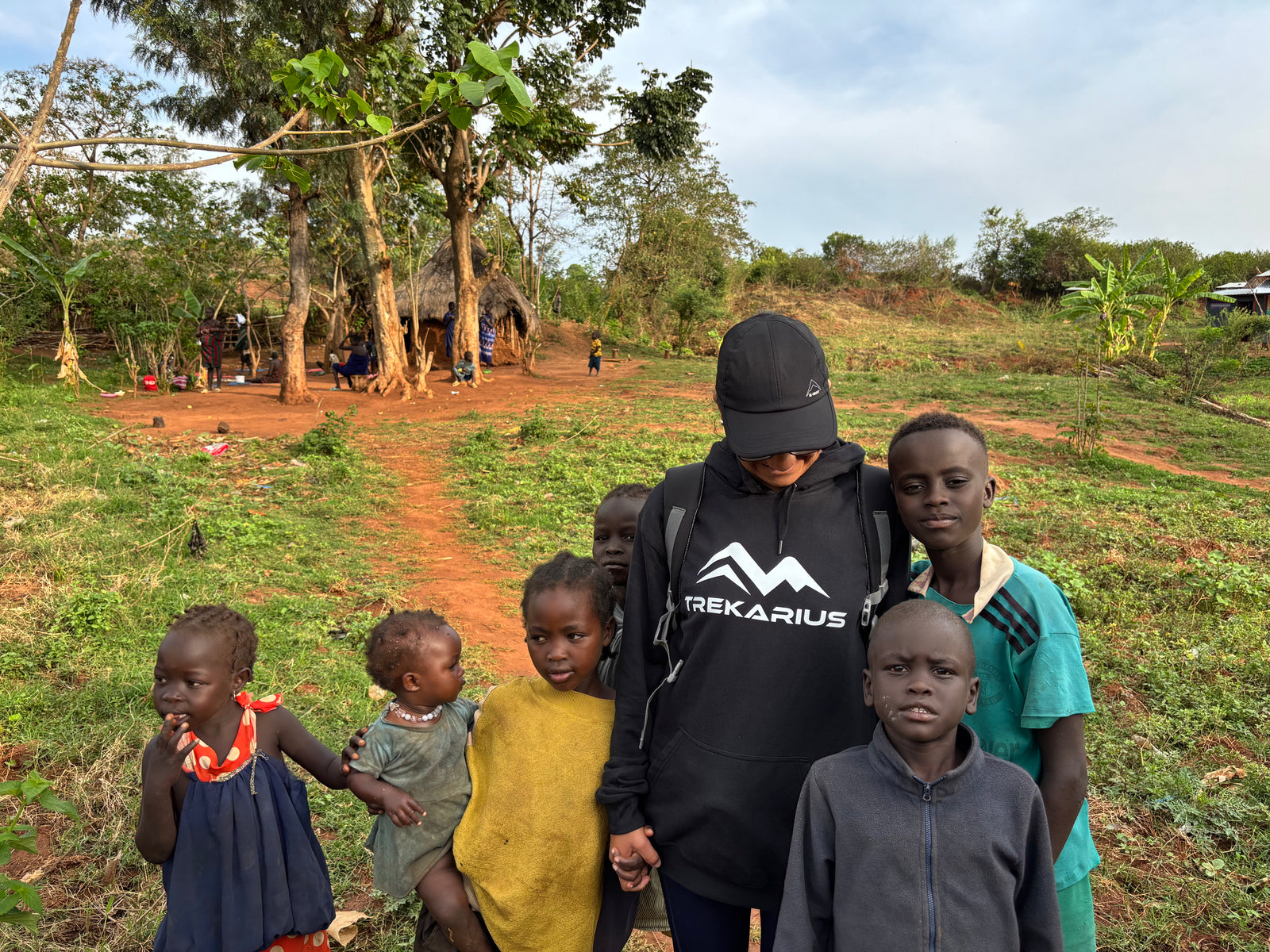
- Remote tribal regions in Africa
In these environments, the backpack functions as a logistics system — carrying camera gear, audio, essentials, and personal items without standing out.
The best backpack for dangerous places is the one that never becomes the story.
This page exists to document real-world gear logic - not to rank products or push purchases.